AGOSTINO IACURCI
TOMORROW AND TOMORROW AND TOMORROW
Exhibition
11 September – 24 October 2026

Robert Grunenberg is delighted to present Agostino Iacurci’s solo exhibition Tomorrow and Tomorrow and Tomorrow.
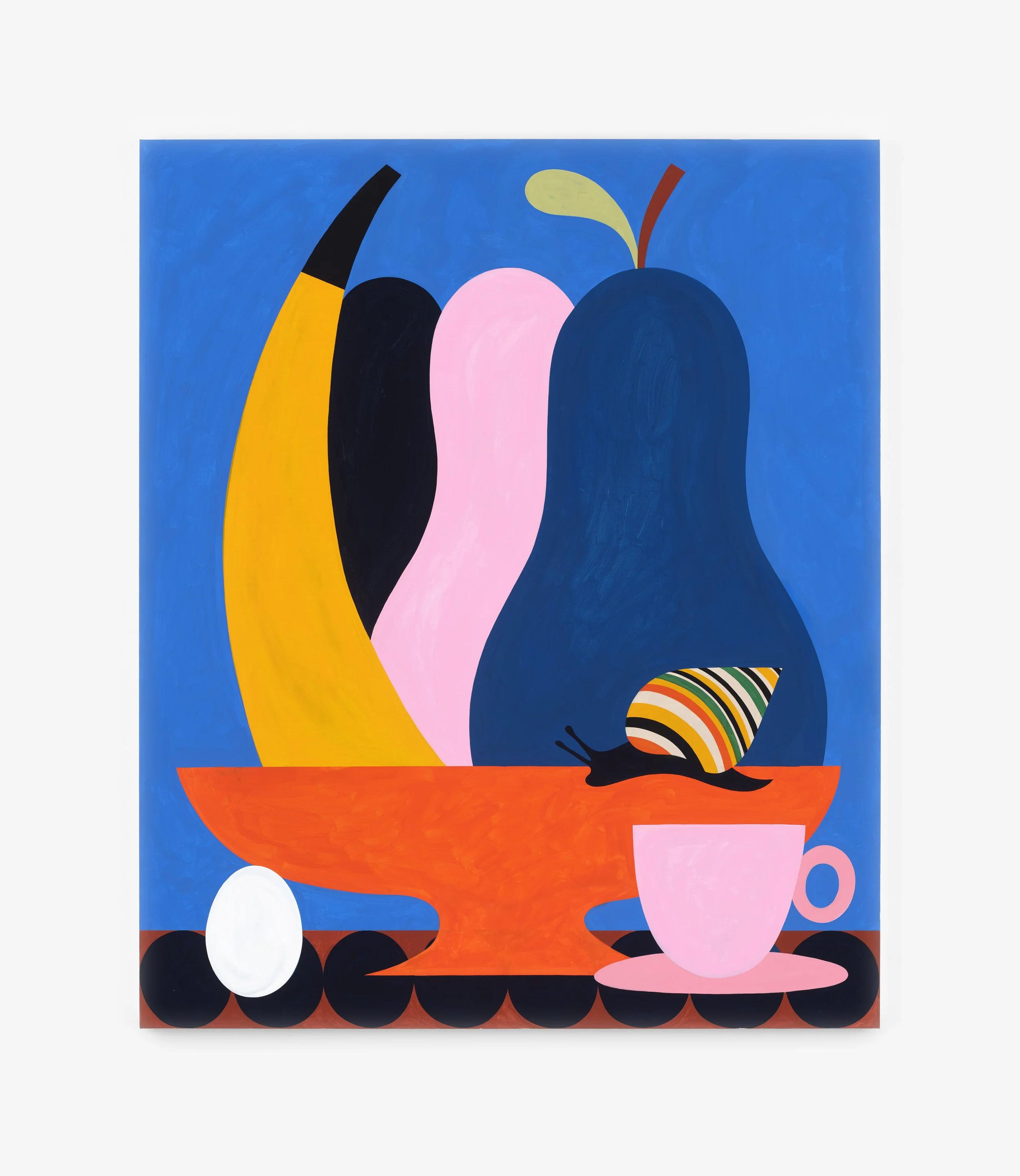
Agostino Iacurci, Tomorrow and Tomorrow and Tomorrow #5, 2026, Vinyl emulsion on linen , 180 x 150 cm, 70 ⅞ x 59 in

Exhibition View © Roman März
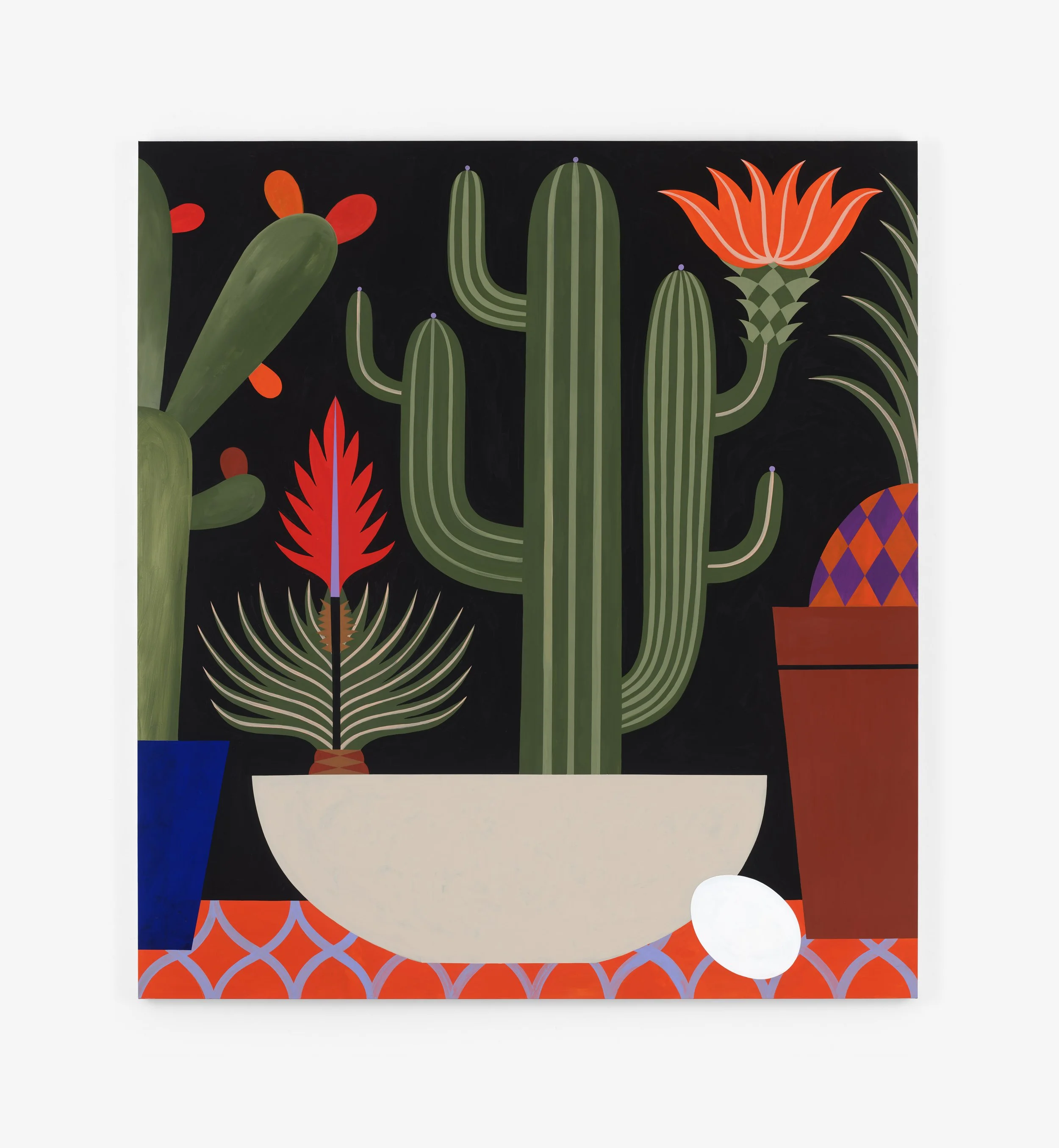
Agostino Iacurci, Tomorrow and Tomorrow and Tomorrow #9, 2026, Vinyl emulsion on linen , 150 x 120 cm, 59 x 47 ¼ in
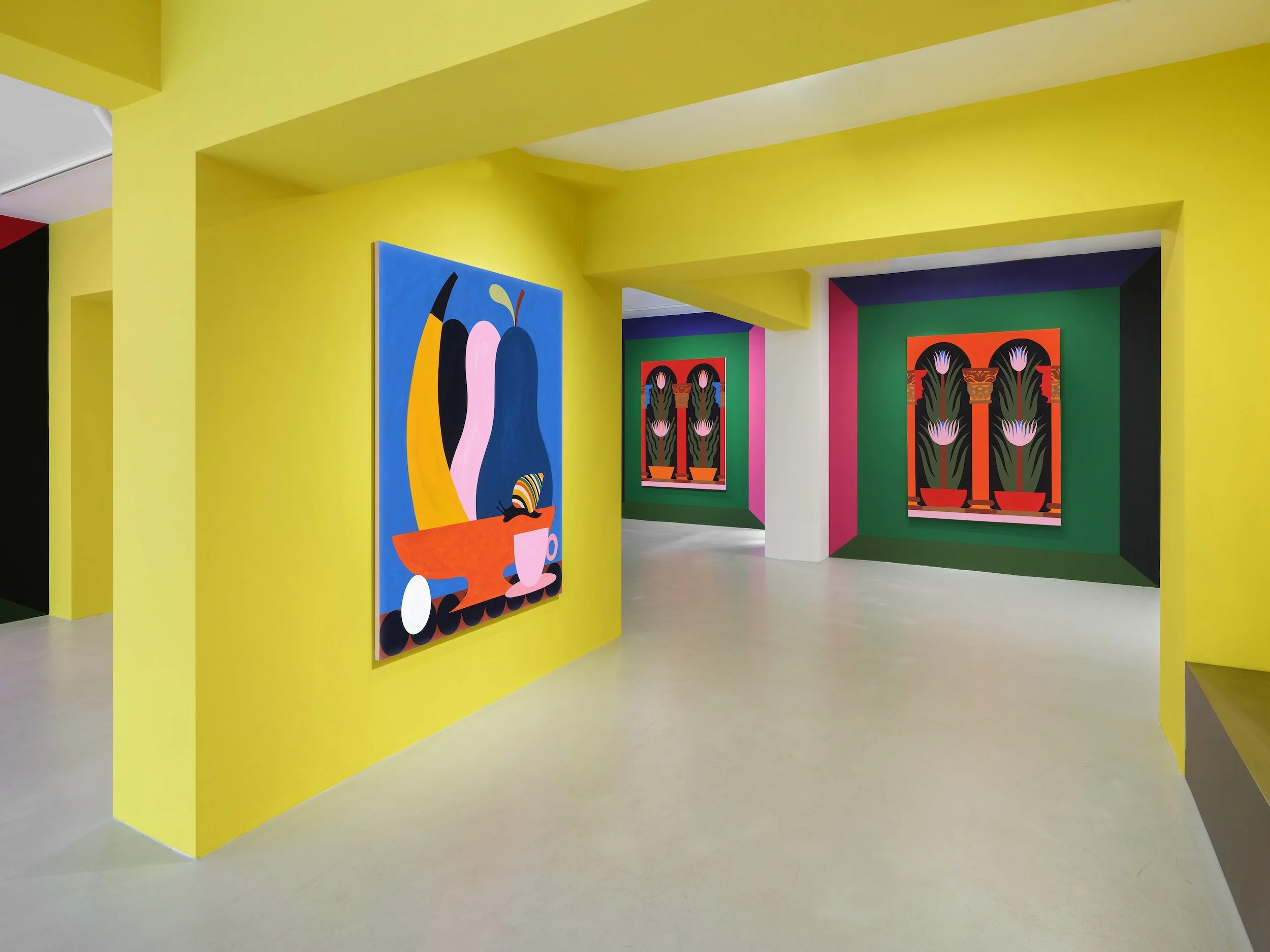
Exhibition View © Roman März
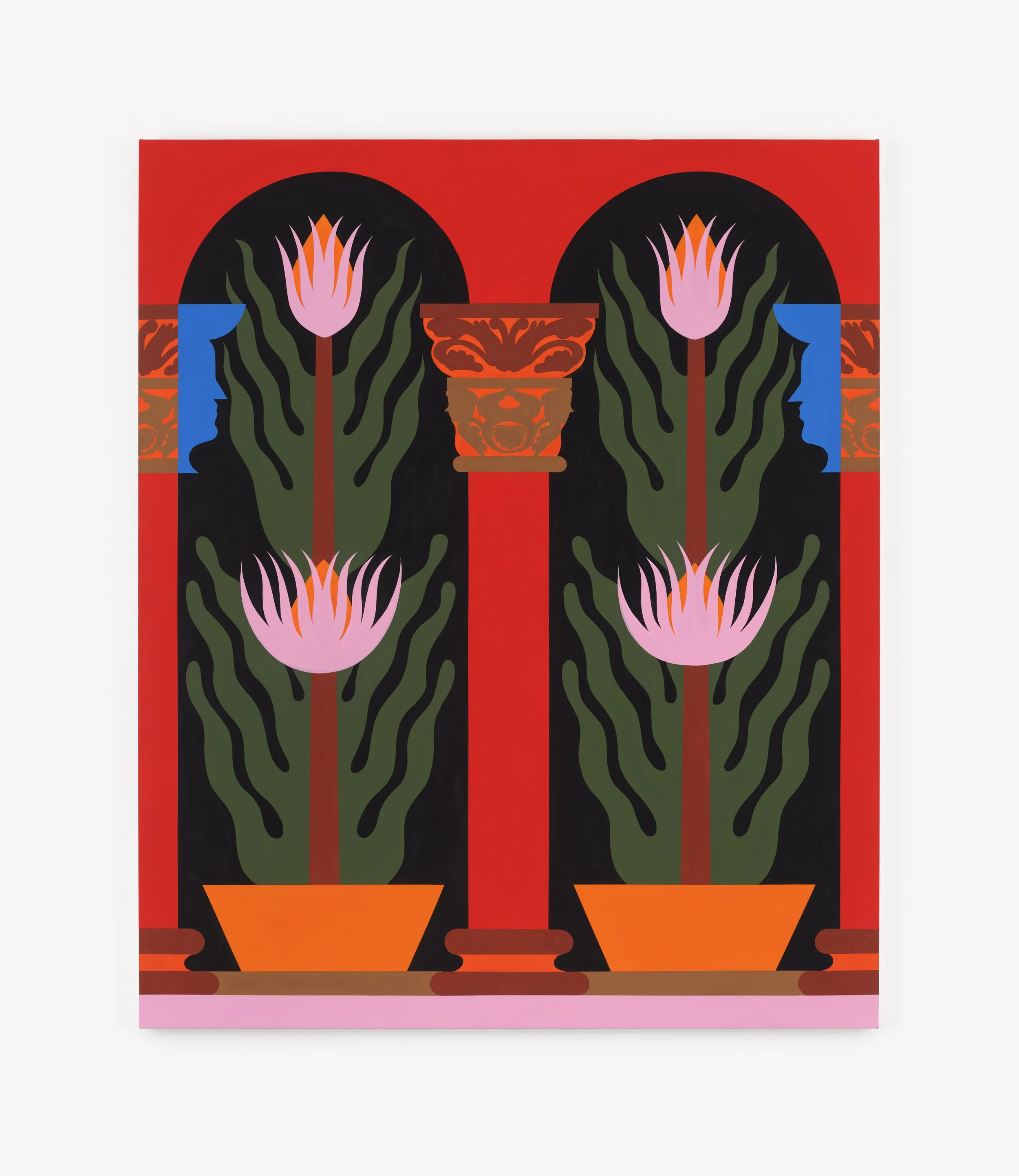
Agostino Iacurci, Tomorrow and Tomorrow and Tomorrow #2, 2026, Vinyl emulsion on linen, 180 x 150 cm, 70 ⅞ x 59 in
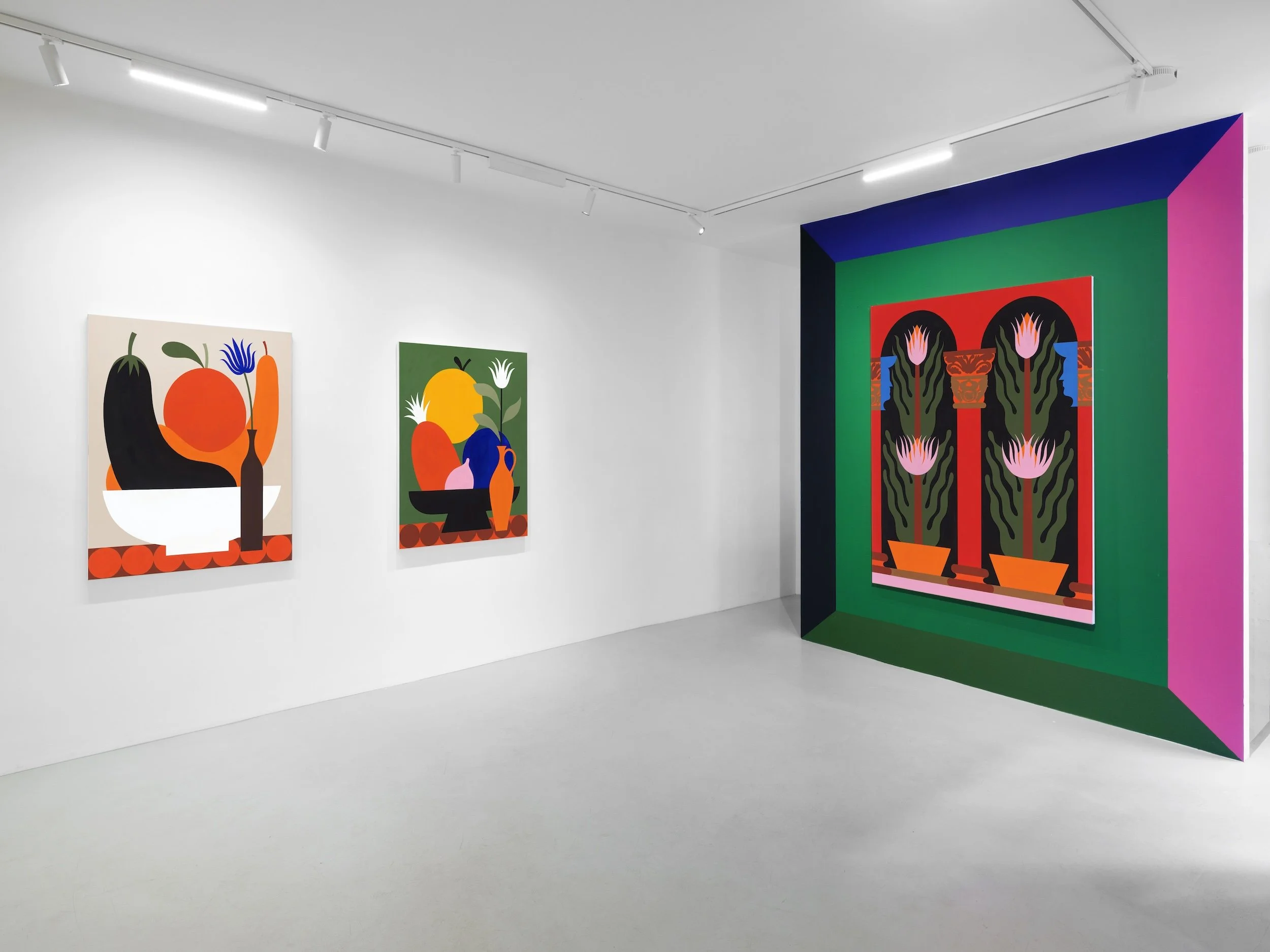
Exhibition View © Roman März
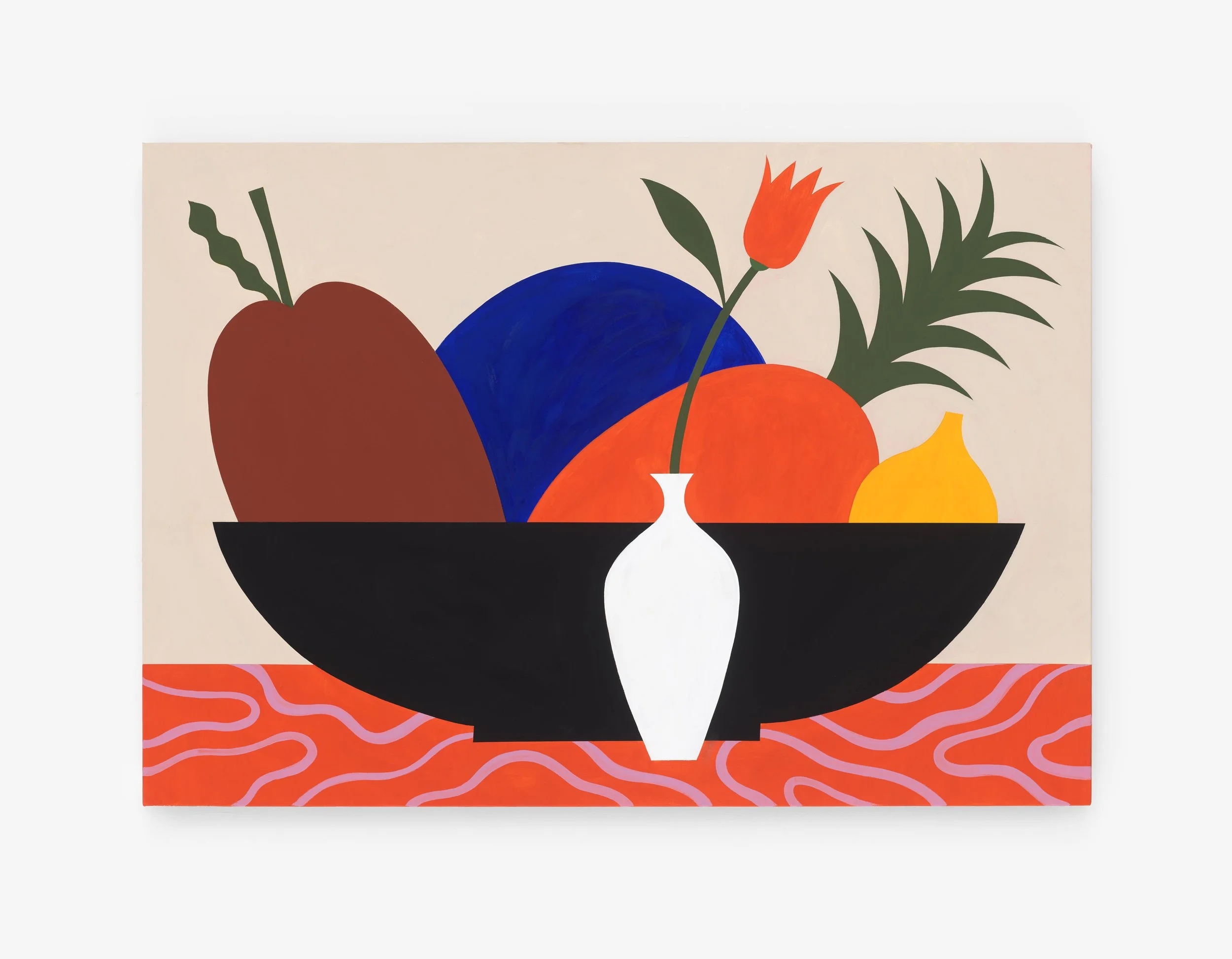
Agostino Iacurci, Tomorrow and Tomorrow and Tomorrow #19, 2026, Vinyl emulsion on linen , 70 x 100 cm, 27 ½ x 39 ⅜ in
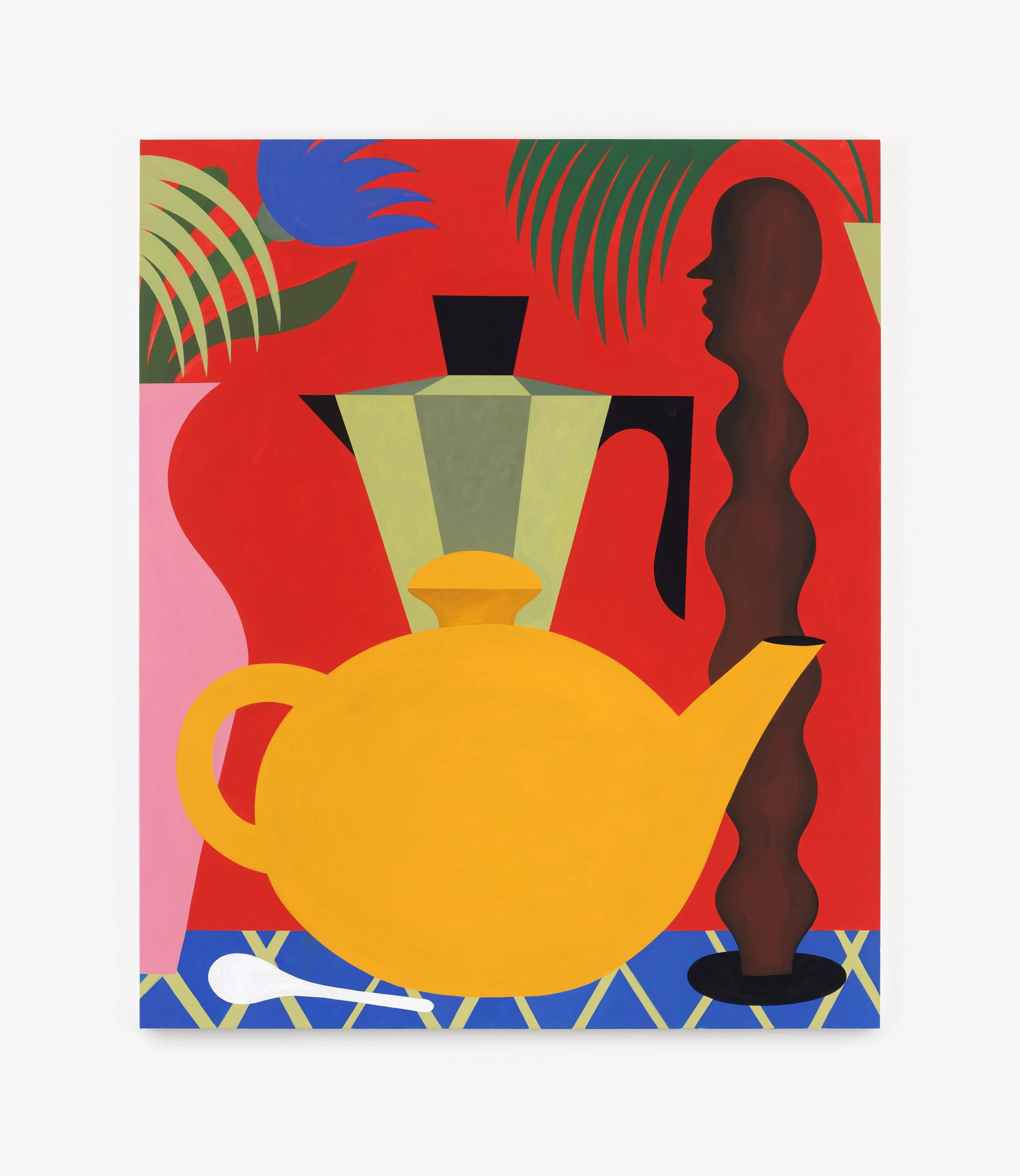
Agostino Iacurci, Tomorrow and Tomorrow and Tomorrow #6, 2026, Vinyl emulsion on linen , 180 x 150 cm, 70 ⅞ x 59 in

Exhibition View © Roman März

Exhibition View © Roman März
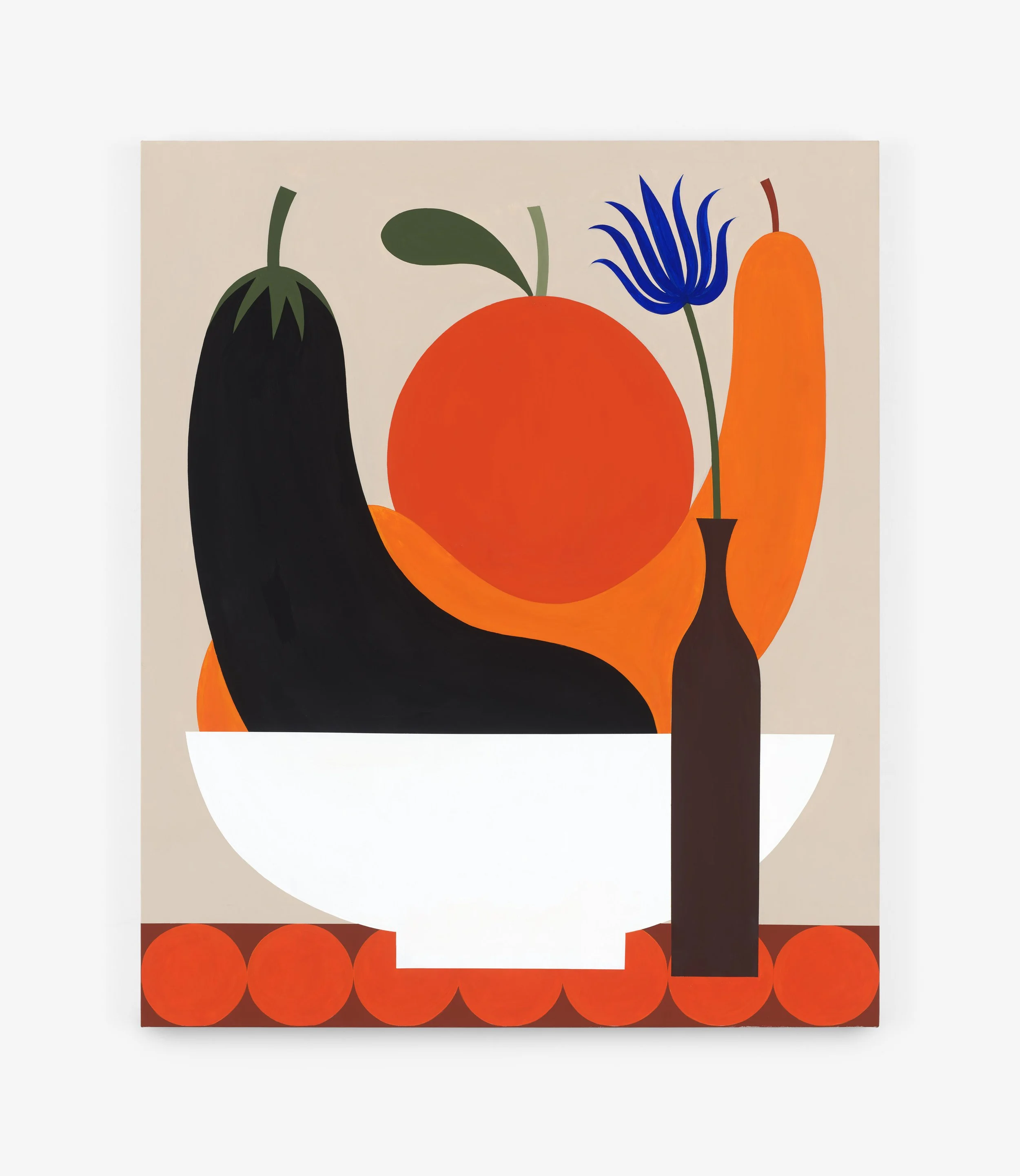
Agostino Iacurci, Tomorrow and Tomorrow and Tomorrow #16, 2026, Vinyl emulsion on linen , 100 x 70 cm, 39 ⅜ x 27 ½ in

Exhibition View © Roman März
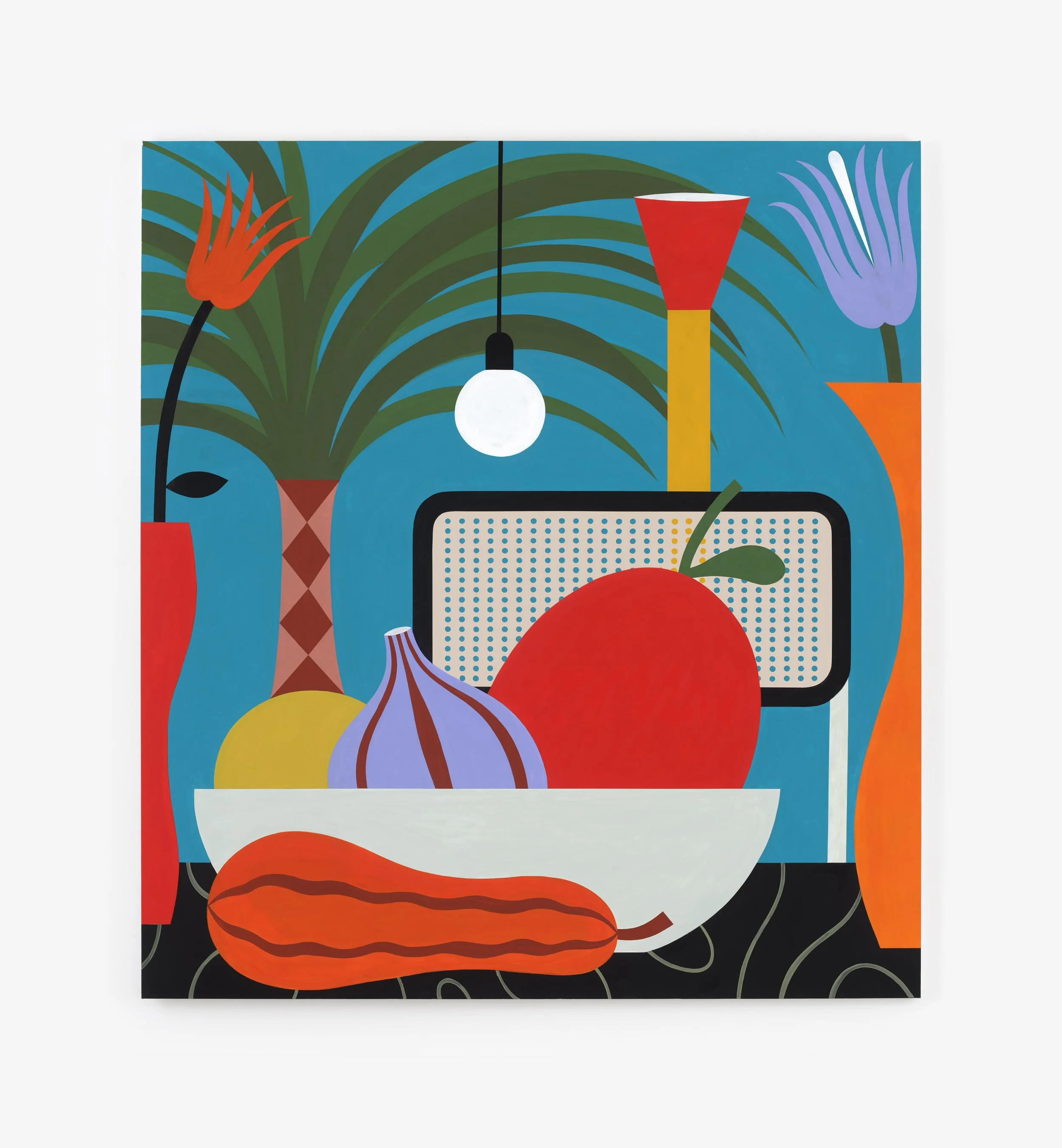
Agostino Iacurci, Tomorrow and Tomorrow and Tomorrow #3, 2026, Vinyl emulsion on linen, 220 x 200 cm , 86 ⅝ x 78 ¾ in
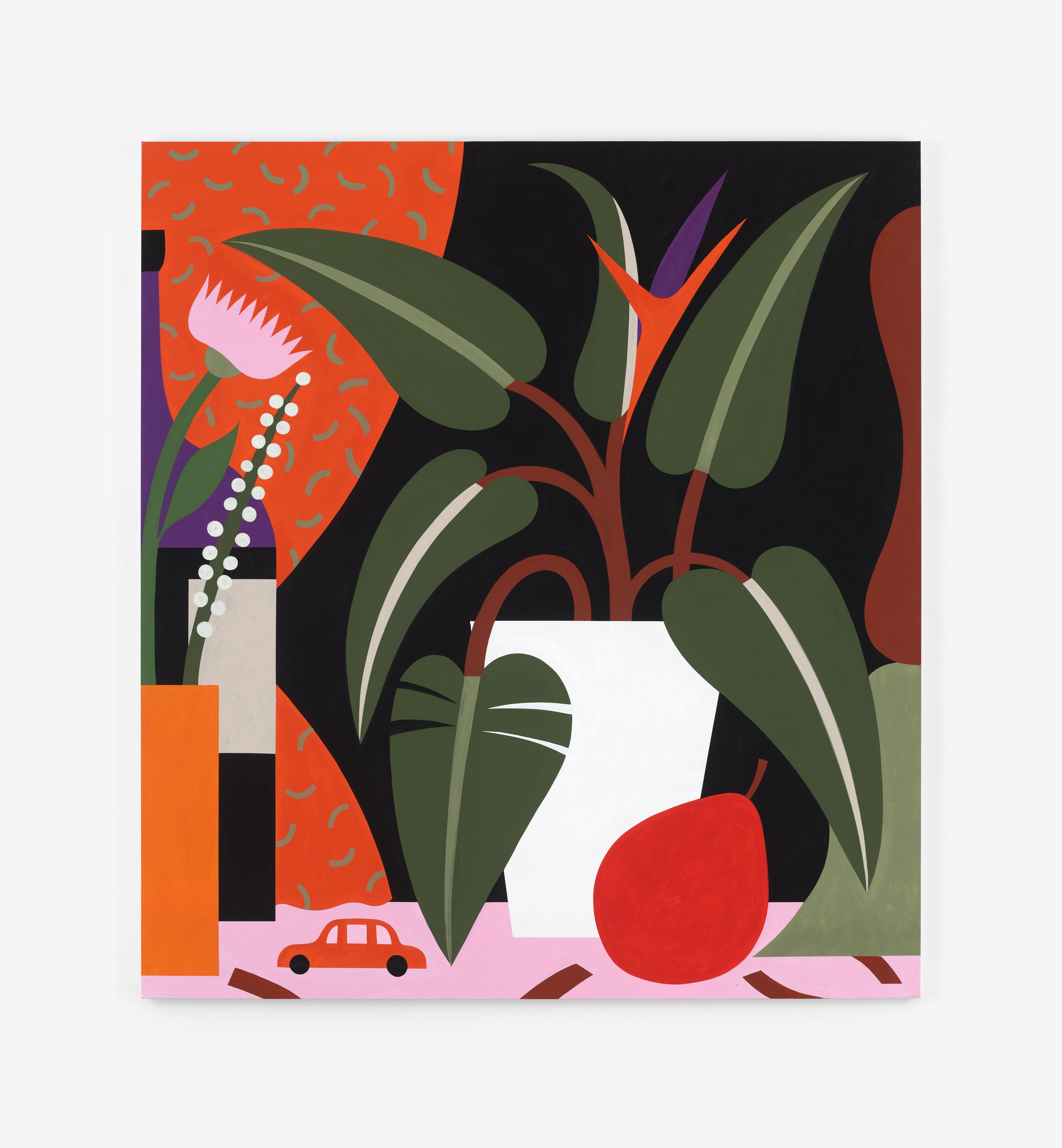
Agostino Iacurci, Tomorrow and Tomorrow and Tomorrow #7, 2026, Vinyl emulsion on linen, 220 x 200 cm , 86 ⅝ x 78 ¾ in

Exhibition View © Roman März
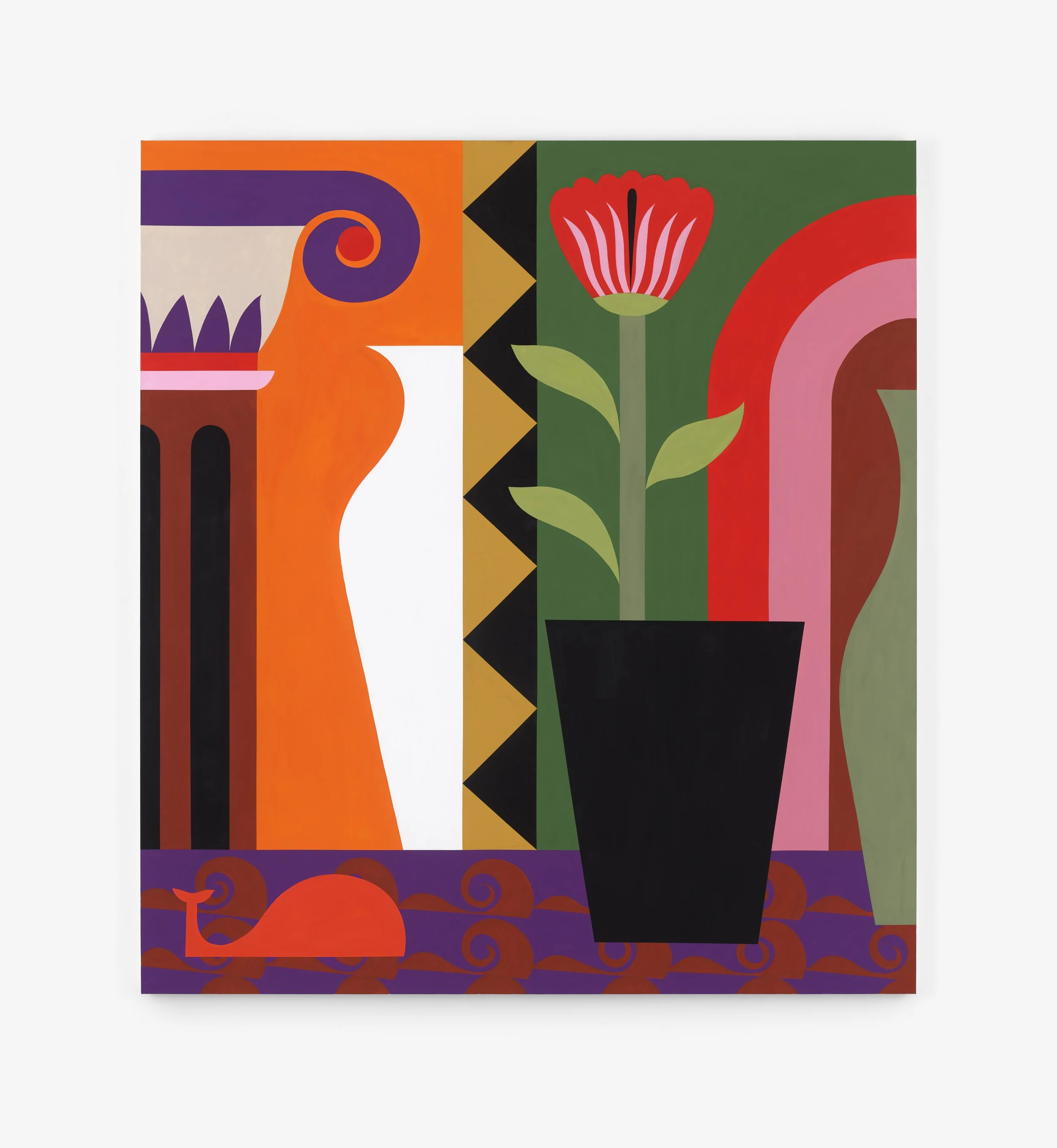
Agostino Iacurci, Tomorrow and Tomorrow and Tomorrow #10, 2026 Vinyl emulsion on linen , 220 x 200 cm , 86 ⅝ x 78 ¾ in

Exhibition View © Roman März
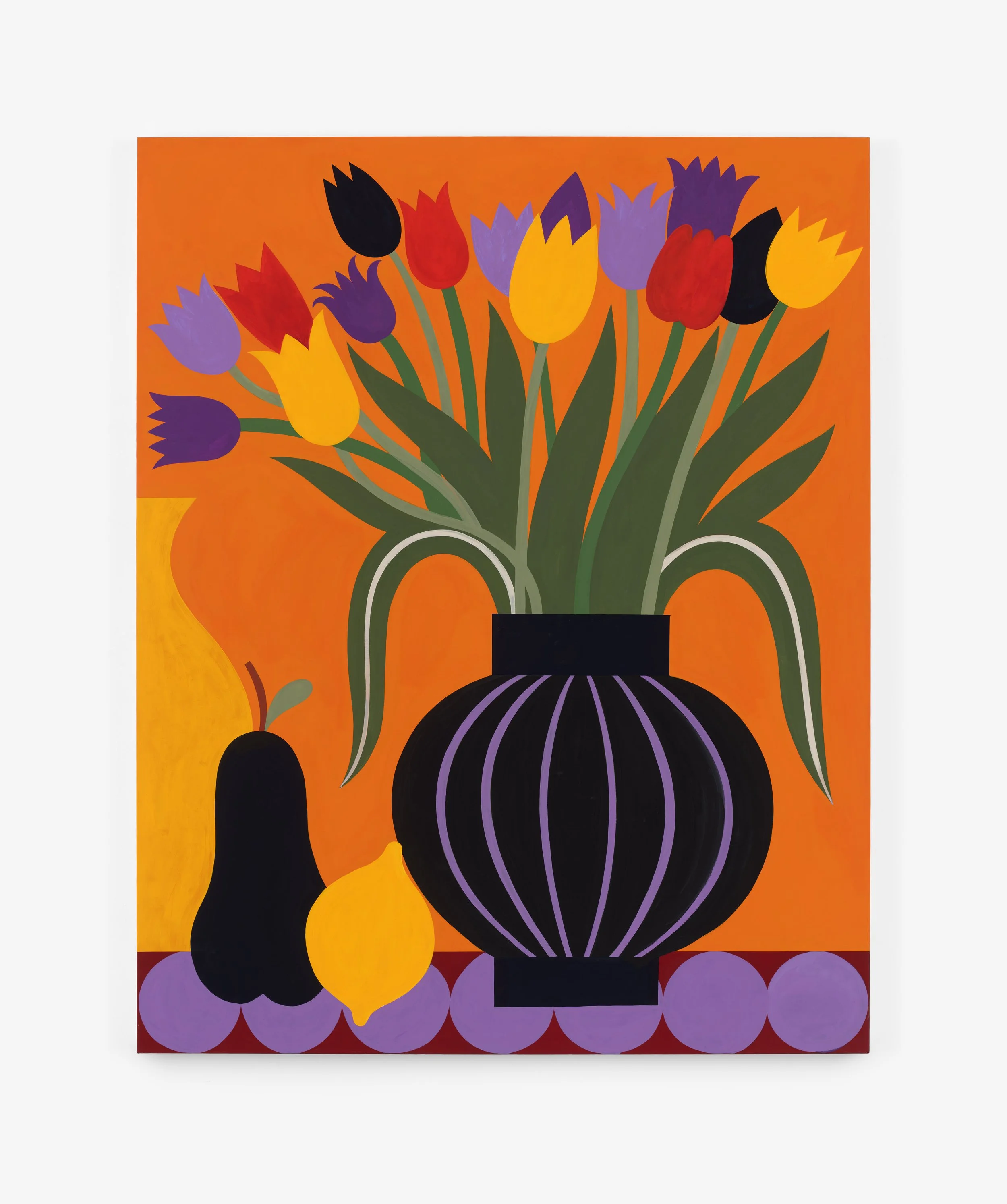
Agostino Iacurci, Tomorrow and Tomorrow and Tomorrow #11, 2026, Vinyl emulsion on linen , 150 x 120 cm, 59 x 47 ¼ in

Exhibition View © Roman März
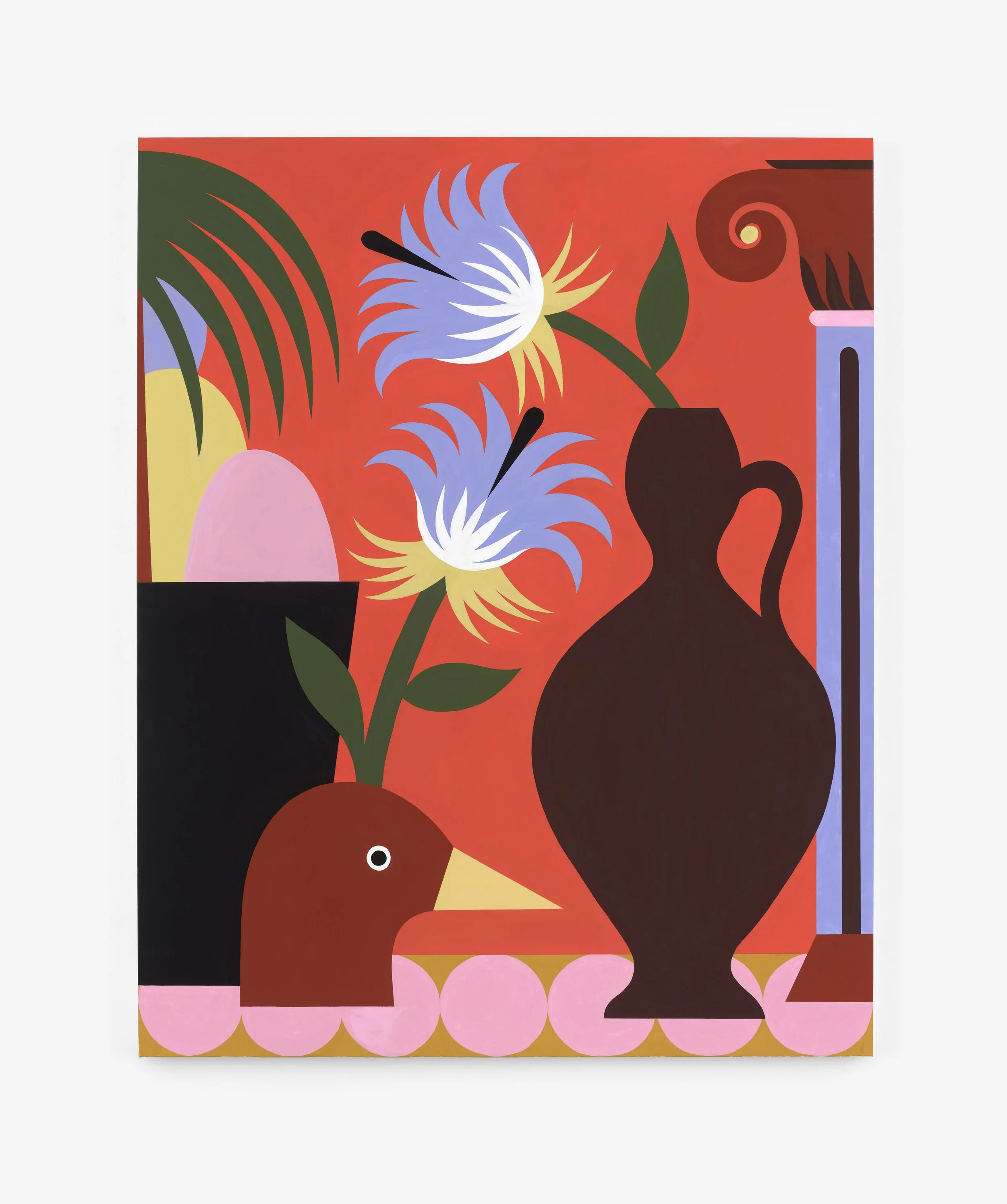
Agostino Iacurci, Tomorrow and Tomorrow and Tomorrow #9, 2026 Vinyl emulsion on linen 150 x 120 cm, 59 x 47 ¼ in

Exhibition View © Roman März
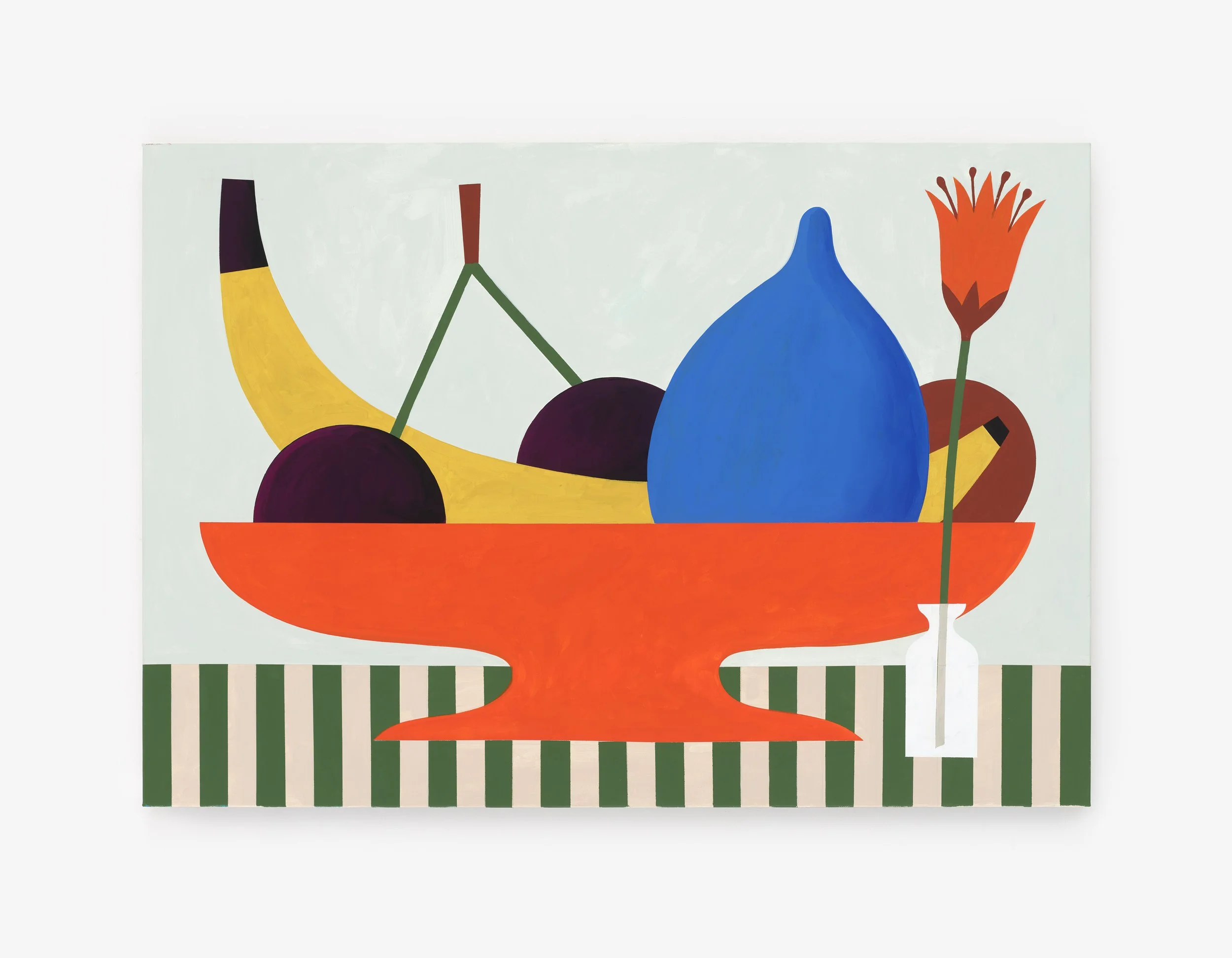
Agostino Iacurci, Tomorrow and Tomorrow and Tomorrow #21, 2026, Vinyl emulsion on linen , 70 x 100 cm, 27 ½ x 39 ⅜ in
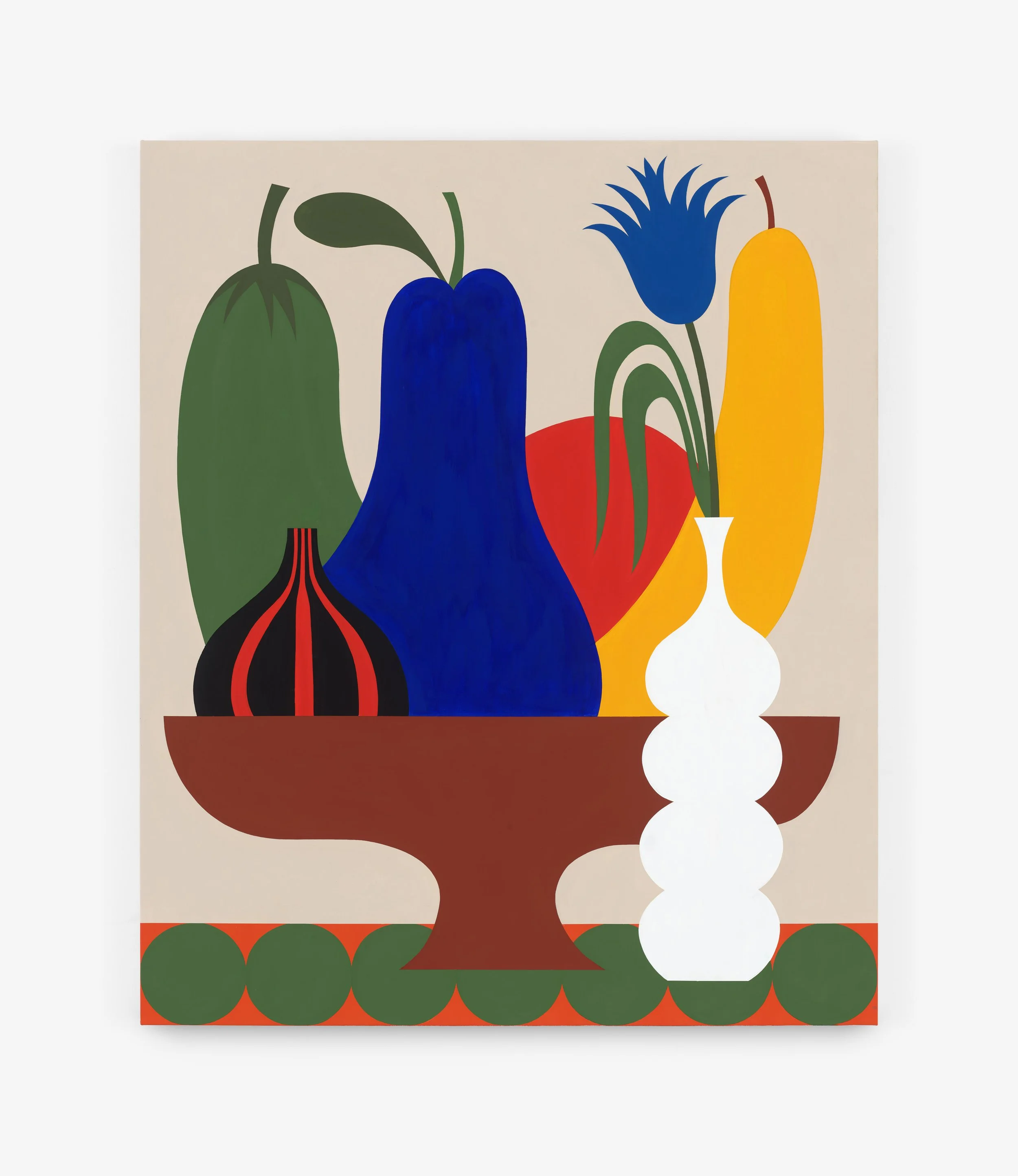
Agostino Iacurci, Tomorrow and Tomorrow and Tomorrow #13, 2026, Vinyl emulsion on linen , 120 x 100 cm, 47 ¼ x 39 ⅜ in
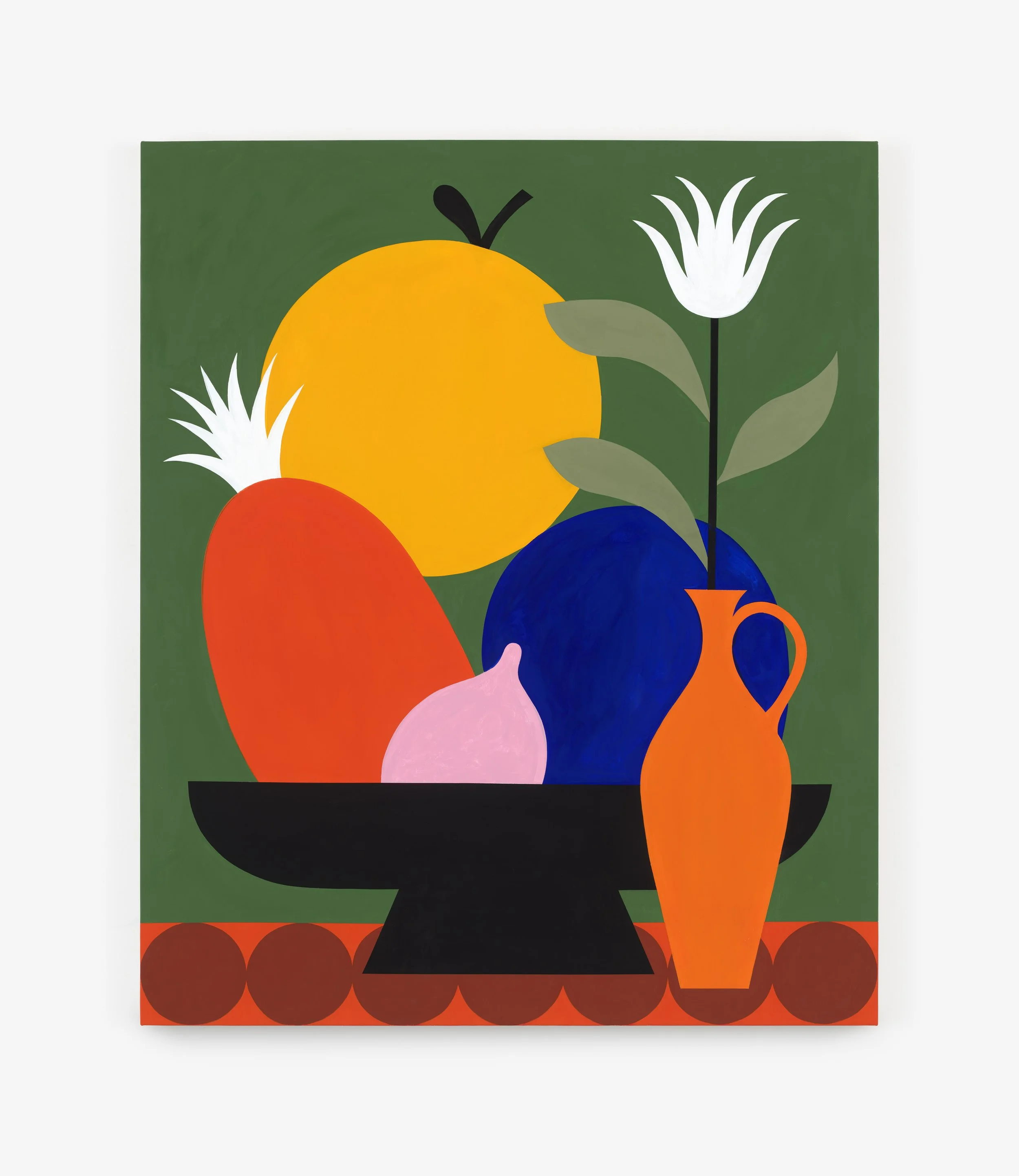
Agostino Iacurci, Tomorrow and Tomorrow and Tomorrow #14, 2026, Vinyl emulsion on linen , 120 x 100 cm, 47 ¼ x 39 ⅜ in

Exhibition View © Roman März
Agostino Iacurci
Tomorrow and Tomorrow and Tomorrow
11 September - 24 October 2026
In the past ten years Agostino Iacurci has moved fifteen times. Each time the same objects came along: a vase, a chair, a lamp, a few plants that should have given up around the third move. None was chosen to be painted. They refused to be left behind and became a vocabulary.
The exhibition title has two authors. Vonnegut published a story under it in 1953, taking the words from Macbeth, where “tomorrow, and tomorrow, and tomorrow” creeps in this petty pace from day to day. Shakespeare meant the weight of repetition. Vonnegut made a comedy of overcrowding: a drug ends ageing, nobody dies, so nobody leaves, and eternity becomes one apartment holding five generations, everyone waiting for a room that will never come free. Persistence becomes a question of space.
Iacurci works through genres the way other painters work through motifs, taking them apart and assembling them into something new. His first exhibition at Robert Grunenberg, Alien Horti Picti, took on the botanical grotesque of Roman villas, with plants and bodies merging into ornamental hybrids. His second, The Traveling Landscape, turned to the panorama, with palms and cacti as travellers and survivors. In Tomorrow and Tomorrow and Tomorrow, his third solo exhibition with the gallery, the scale contracts. Landscape gives way to the room, exotic plants to familiar objects, movement to things that stay.
Still life has always carried this tension. The French call it nature morte; the Dutch stilleven, insisting that something is still going on. When Félibien ranked the genres for the French Academy in 1667, he put it last, beneath landscape and portrait, because it showed things that neither move nor think. Iacurci has spent a career dismantling hierarchies of that kind.
There is an older name for these pictures. In Roman houses, painted fruit and vessels were called xenia, after the gifts a host laid out for a guest, from xenos, the stranger. The aliens of three years ago have been asked to stay for dinner.
An apple left in the studio before a trip is gone when he returns. Painted, it comes back. This is vanitas run in reverse. Nothing here decays. Familiar objects shift in scale and presence: a vase becomes a volume, a tabletop a landscape, a pear monumental, a tulip almost heraldic. Twenty-one paintings, none with a title of its own, numbered one to twenty-one, like the days in Vonnegut’s apartment.
Colour is the engine. Iacurci built his language in vinyl emulsion, where pigment sits dense, matte and absolutely flat, the paint of the facade brought indoors. His vocabulary draws freely across histories, from Roman ornament and mythology to Futurism, postmodern design and the artificial colour of contemporary visual culture. Painting, sculpture, installation, architecture and design are not separate territories here but materials to be combined. Living and working in Bologna, Iacurci inevitably shares a city with the legacy of Giorgio Morandi: the same devotion to a small vocabulary of familiar things, rendered in radically different colour.
For his third solo exhibition with the gallery, and his first in its Kantstraße space, Iacurci has painted the rooms themselves. Fields of pink, green and orange cut the gallery into wings and perspectival boxes; bright yellow wraps the pillars and passages. The objects that followed him from apartment to apartment now occupy an architecture of their own. Paintings, objects and walls become parts of a single environment, collapsing distinctions that have long structured Iacurci’s work: between inside and outside, nature and civilisation, fine art and design, the domestic and the global. As in the Roman rooms where xenia went straight onto the plaster, the wall is not a support for the image but part of it. You do not stand in front of this exhibition. You stand inside it.
A painted hospitality for the Anthropocene, laid out for whoever comes through the door.
Agostino Iacurci (b. 1986 in Foggia, Italy) studied Visual Arts at the Academy of Fine Arts in Rome. Working across painting, sculpture, drawing, monumental wall painting and installation, his practice is characterised by a site-specific approach that brings together cultural history, personal memory, literary references and vernacular imagery.
Recent and selected exhibitions include Tomorrow and Tomorrow and Tomorrow, Robert Grunenberg, Berlin (2026); Arcipelago Botanico, Portrait Milano, Milan (2026); Objects Between The Lines, Kiran Nadar Museum of Art, New Delhi (2025); Pensare come una montagna #2, GAMeC, Bergamo (2024); Dry Days Tropical Nights, Botanical Garden Lorenzo Rota–GAMeC, Bergamo (2024); The Traveling Landscape, PDC Gallery, Los Angeles (2023); Alien Horti Picti, Robert Grunenberg, Berlin (2023); Tracing Vitruvio, Musei Civici, Pesaro (2019); and Cross the Streets, MACRO, Rome (2017).
Since 2009, Iacurci has realised large-scale public works and site-specific installations internationally. Selected projects include commissions for Museo d’Arte Mendrisio (2025); Casa Italia for the Paris Olympic Games (2024); Montreal (2022); the Wilhelm-Hack-Museum, Ludwigshafen (2021); Life is Beautiful, Las Vegas (2021); Principal Place, London (2020); New Delhi (2016); Distrito Tec, Monterrey (2016); Fubon Art Foundation, Taipei (2012); as well as projects in Paris, Boston, Seoul, New York and across Europe.
In 2026, Iacurci created Arcipelago Botanico, a major site-specific installation of eight monumental plant-like sculptures for the historic courtyard of Portrait Milano. His interdisciplinary practice has also led to collaborations with international brands and institutions including Hermès, Etro, Apple, Adidas, Herman Miller, Penguin Books and The New Yorker. For Hermès, he co-created Hotel il Faubourg at Teatro Franco Parenti in Milan, transforming the 2,000-square-metre theatre into a fully functioning, immersive hotel environment for a one-night performance.
Iacurci was awarded the New York Prize promoted by the Italian Ministry of Culture, the Ministry of Foreign Affairs and the Italian Academy at Columbia University, followed by residencies at the International Studio & Curatorial Program (ISCP) in New York. In 2024 he received the Premio Ermanno Casoli.
A solo exhibition at Kunstpalais Erlangen is forthcoming for 2028.